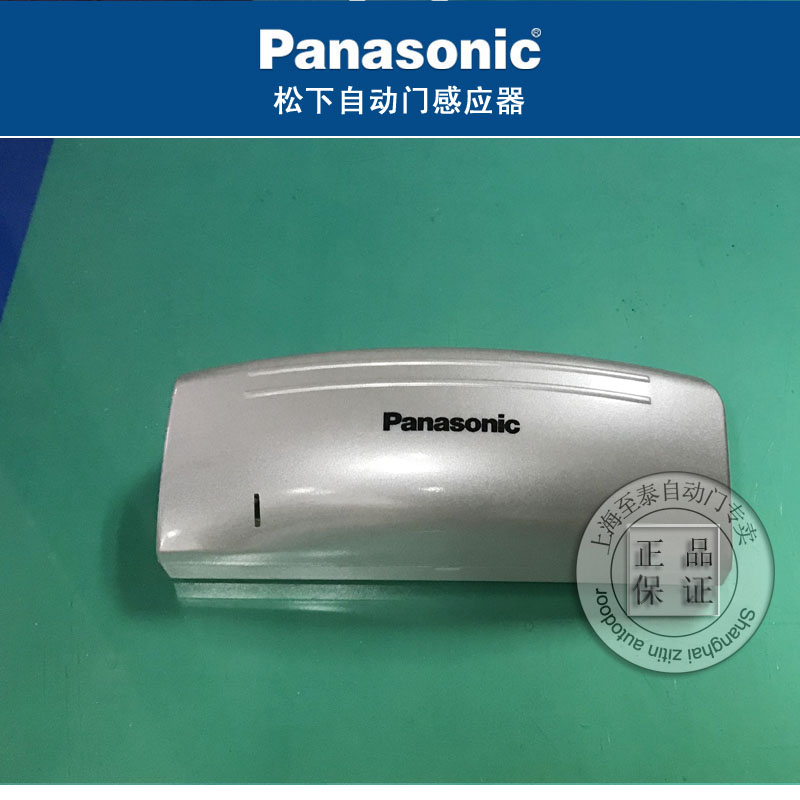
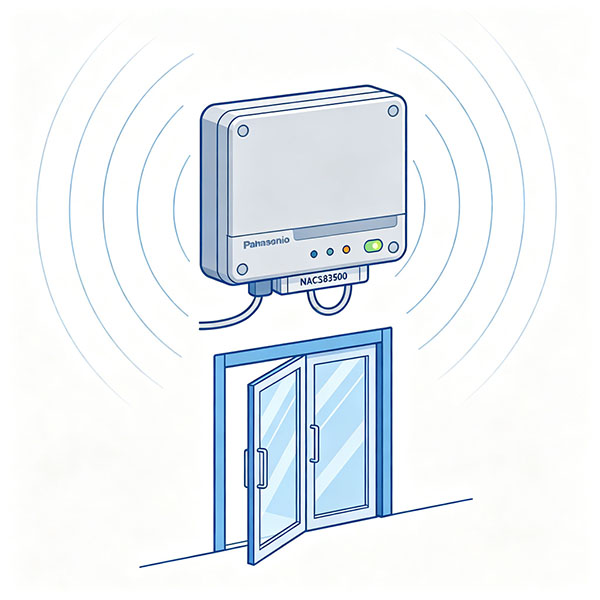
Using the common standard sensor model NACS83500 as an example, this illustrated guide walks through the three core adjustments and a quick tip, so you can understand how detection distance, sensitivity and gain relate to each other.
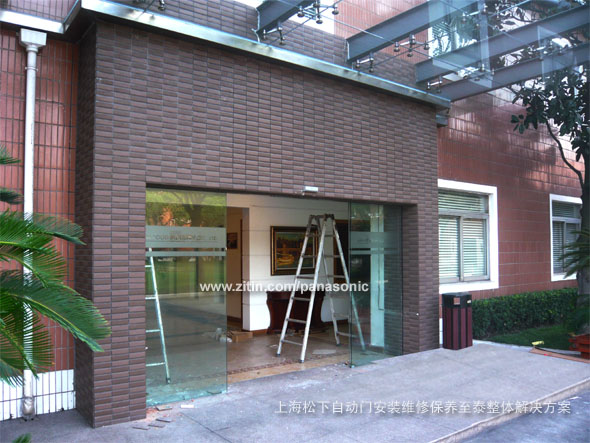
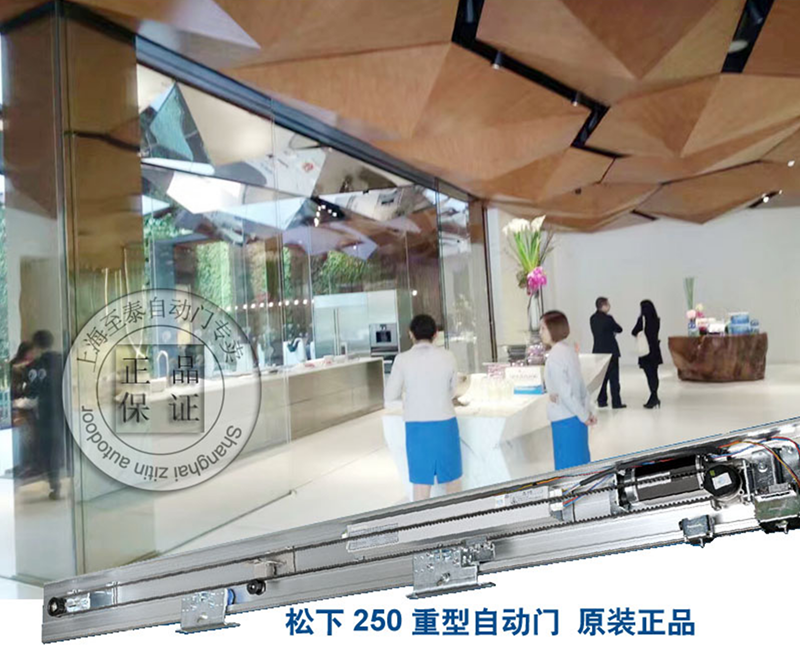
Using the NACS83500 — the standard sensor fitted to Panasonic automatic doors at the ZITIN showroom — this guide explains the three core adjustment methods and a quick tip, helping you understand the relationship between detection distance, sensitivity and gain.

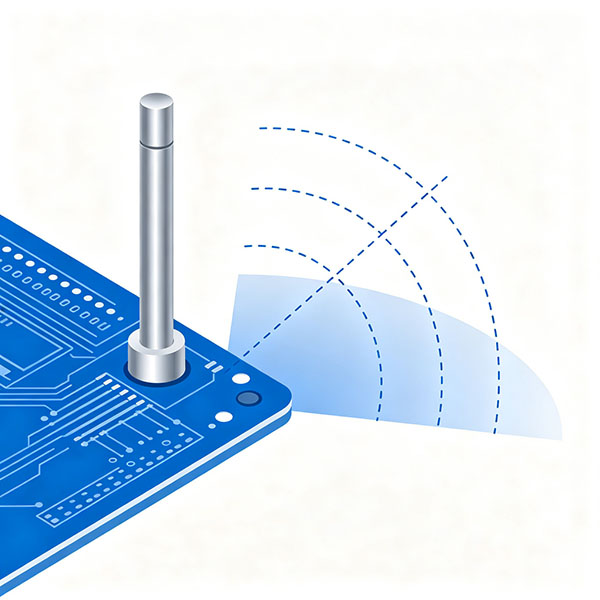
The sensor uses a 24 GHz microwave antenna as its core sensing element. The closer to horizontal, the smaller the tilt and the shorter the detection range; the larger the tilt, the longer the range.
The tilt is usually preset at the factory and normally needs no adjustment. Only fine-tune it when the site requires an unusually long or short detection distance.
Safety note Before adjusting the antenna tilt, always switch off the power, to avoid short-circuiting and burning out the sensor through hand contact with the circuit board.

A blue sensitivity knob sits in the lower-left corner of the circuit board, preset at the middle, moderate-sensitivity position; normally no change is needed.
For high installations of about 3 m or more, or weak sensing on site, turn the knob slightly clockwise to raise sensitivity. If unstable light sources or other interference cause false triggers, turn it the other way to lower sensitivity and suppress false operation.

This knob sits around the amplifier components and is used by the manufacturer to calibrate variations in the microwave module's sensitivity output. Normally do not adjust it.
Compared with the sensitivity knob, the gain knob is less intuitive and affects the sensor at a deeper level; improper operation can cause abnormal behavior, so it is not recommended to adjust it on site.

How to tell whether the sensor is good: as long as the relay operates and the sensor picks up a signal, the sensor itself is fine. Most "faults" are actually false triggers caused by surrounding environmental interference (strong light, heat sources, electromagnetic noise); clearing the interference is often more effective than replacing the sensor.
When the door shows an abnormal fault, do not disassemble it yourself. Contact our technical staff for on-site service. Hotline: 400-690-8875 / 021-68568185, QQ: 584655265.
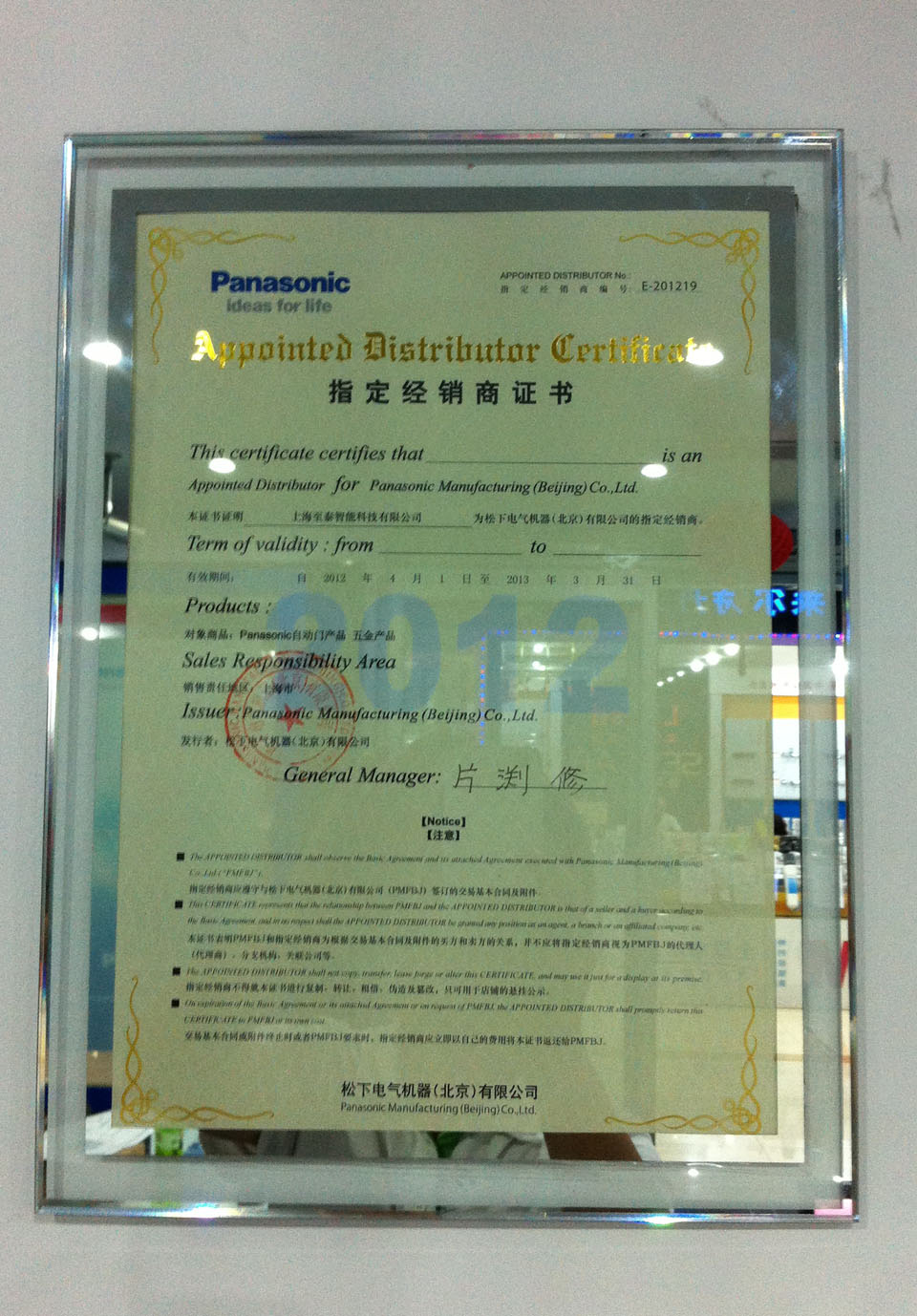
Professional Panasonic automatic door repair & maintenance, genuine authorized parts

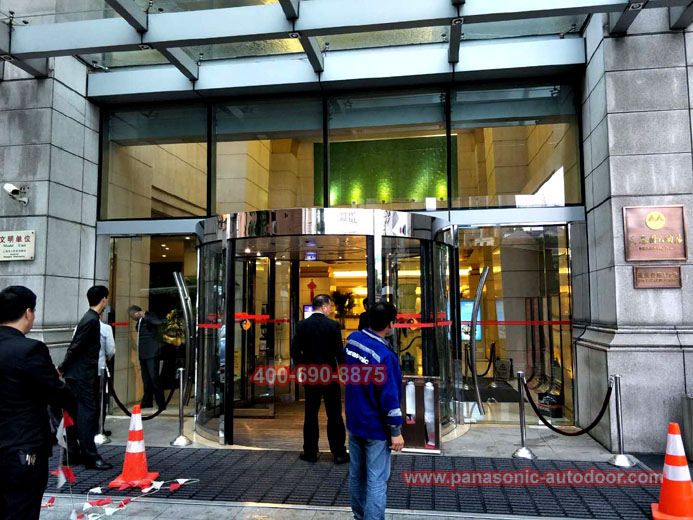
Professional repair of Panasonic automatic revolving doors, including three-wing, four-wing and crystal revolving doors. We provide motor replacement, controller repair, sensor adjustment, seal replacement, track alignment, fault diagnosis and maintenance. Genuine original parts with certified on-site engineers and fast response.

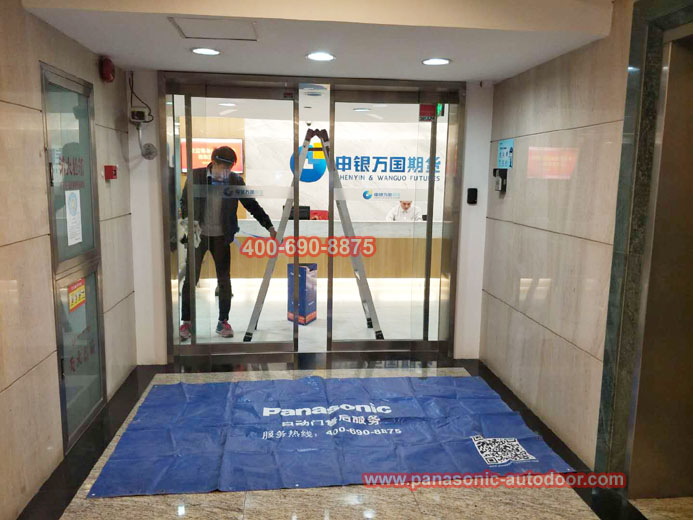
Professional repair of Panasonic sliding automatic doors, sensor doors, curved doors, telescopic doors and medical automatic doors. Services include motor repair and replacement, controller tuning, microwave sensor calibration, safety beam installation, roller replacement, access control integration and annual maintenance. Authorized parts, 24-hour on-site service.